Plant Washington garlic and cool-season crops from local establishment conditions, not from one fall date. West of the Cascades, mild air can support a longer season, but declining light, wet soil, slugs, and disease may limit growth. East of the Cascades, brighter days do not erase an earlier freeze, colder soil, wind, or irrigation dependence. Garlic, greens, brassicas, roots, and overwintering crops need separate decisions by purpose and subregion.
Use the Washington fall garden plan to coordinate food crops with the rest of the garden. When a bed is better used for soil protection, compare cover-crop options; when drainage or remaining irrigation controls establishment, check water movement before planting.
Start with four planting gates
- Purpose: Is the crop intended for a fall harvest, winter holding, overwintering for spring, or long-season garlic? These goals have different success criteria.
- Establishment: Is the soil workable and suitable for the seed or transplant, with enough moisture and temperature for roots to establish?
- Remaining growth: Does maturity fit declining light, local heat accumulation, and the site’s frost trajectory rather than the packet number alone?
- Risk and capacity: Can the gardener irrigate, drain, protect, scout, and ventilate the planting without displacing a higher-priority crop or perennial?
If one gate fails, choose a faster crop, a protected start, a different bed, a cover crop, or rest. Do not force a planting into saturated west-side soil or a dry east-side seedbed with no irrigation plan. A USDA hardiness zone screens perennial minimum-temperature exposure; it does not determine vegetable planting or guarantee garlic performance.
Subregional crop and timing matrix
| Washington segment | Crops to consider when conditions fit | Go signals | No-go or change signals |
|---|---|---|---|
| Olympic Peninsula and coast | Garlic in a drained rotation bed; cool-tolerant greens, roots, and brassica transplants suited to low heat | Workable soil, drainage, airflow, root-zone moisture, and enough light for the intended stage | Saturation, strong wind exposure, persistent leaf wetness, slug pressure, or a crop that needs more heat |
| Puget Sound lowlands | Garlic, fall greens and roots, hardy brassicas, protected starts, and selected overwintering crops | Bed opens early enough, soil is not compacted or wet, irrigation bridges dry weather, and winter purpose is explicit | Low-light stall, poor drainage, dense canopy disease, or maturity based only on mild air temperature |
| Cascade and high-elevation sites | Short-window greens or roots, cold-tolerant transplants, garlic where local practice and drainage support it | Rapid establishment, secured protection if justified, realistic frost margin, and a protected root zone | Approaching freeze, cold soil, snow exposure, insufficient maturity margin, or unsafe covers |
| Columbia Basin and eastern Washington | Garlic with verified local fit; fast cool crops; transplants or protected starts where water and cold allow | Available irrigation, wind protection, workable seedbed, appropriate cultivar, and establishment before deep cold | Dry seed zone, salinity concern, strong wind, frost trajectory, or stopping irrigation before roots establish |
The matrix does not prescribe a universal crop list. Within each group, compare cultivar maturity, cold tolerance, bolting tendency, disease resistance, and intended harvest stage. A baby-leaf harvest may fit conditions that will not finish a full head or root. A transplanted brassica may have a different chance than direct seed placed in cooling soil.
Compare propagation space with the destination bed. Starts grown under warmer, protected conditions still need hardening, transplant weather, root-zone moisture, and enough field growth before the next limit. A root-bound or tender transplant does not become locally adapted by moving it outdoors. If the bed is saturated, frozen, or still occupied, keep only starts that can wait without losing quality; otherwise revise the crop plan.
Run a small germination or establishment check when seed age, soil temperature, or irrigation uniformity is uncertain. Mark a short section, observe emergence and losses, and compare it with a sheltered or differently watered section. This does not guarantee the full planting, but it can prevent using the entire seed supply in a failing condition. Protect seed from runoff and wind, and follow label directions for any coating or inoculant.
Give garlic its own decision path
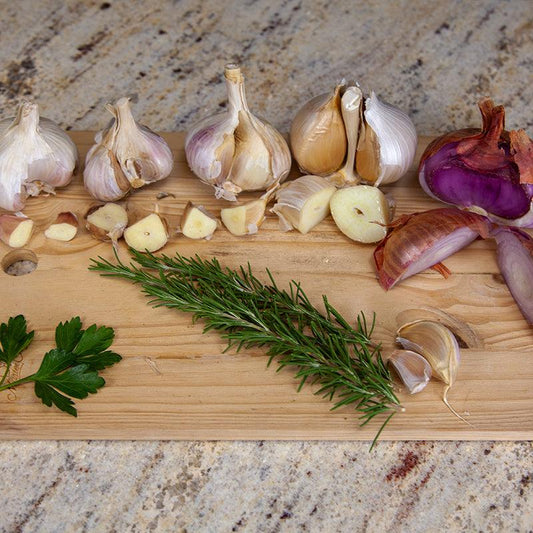
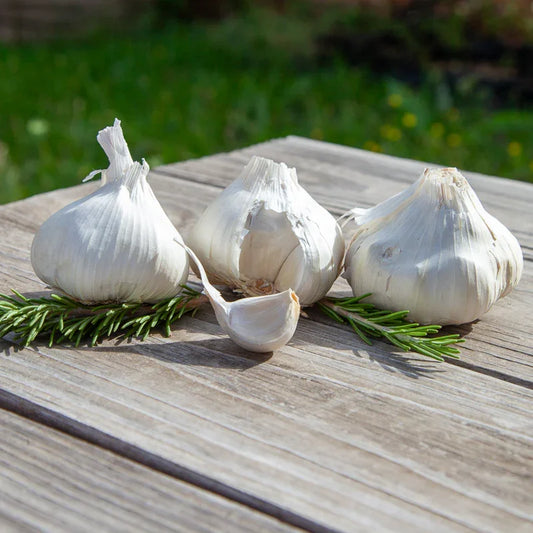
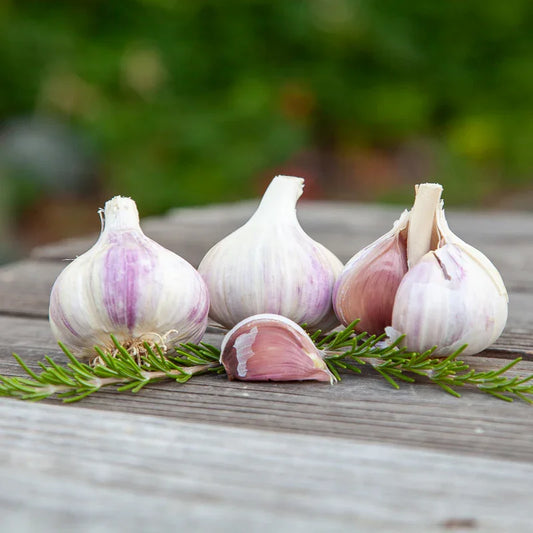
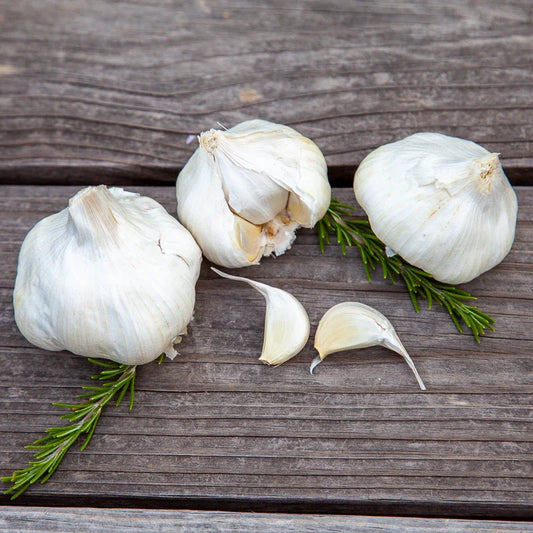
Choose a well-drained bed with a documented rotation and soil history. Avoid planting into saturated ground, a bed with unresolved allium disease, or soil amended heavily without evidence. Garlic needs suitable planting stock and enough fall root establishment for the local system; the useful window differs between maritime western gardens and earlier-freezing eastern locations.
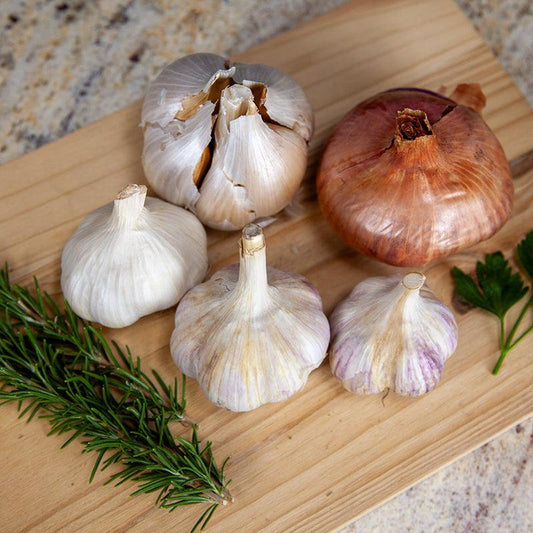
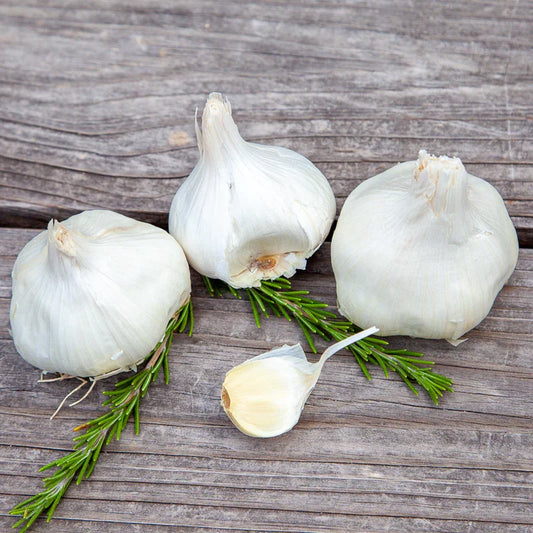
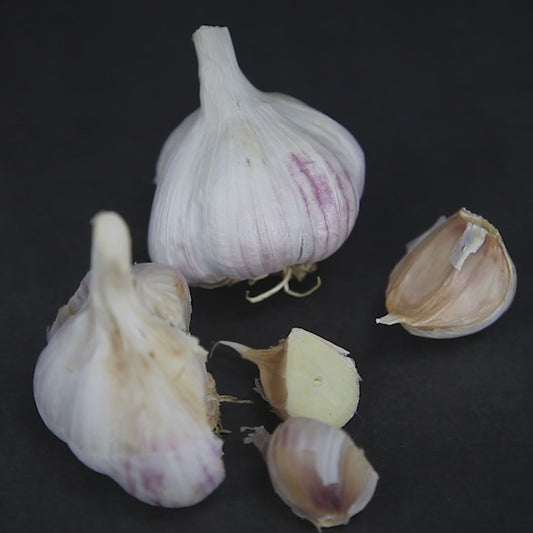
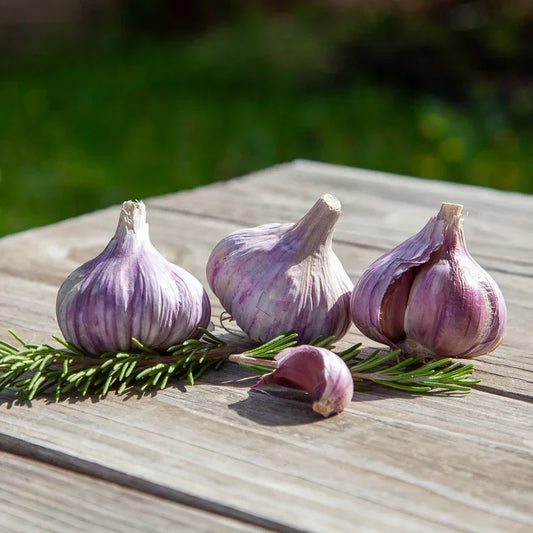
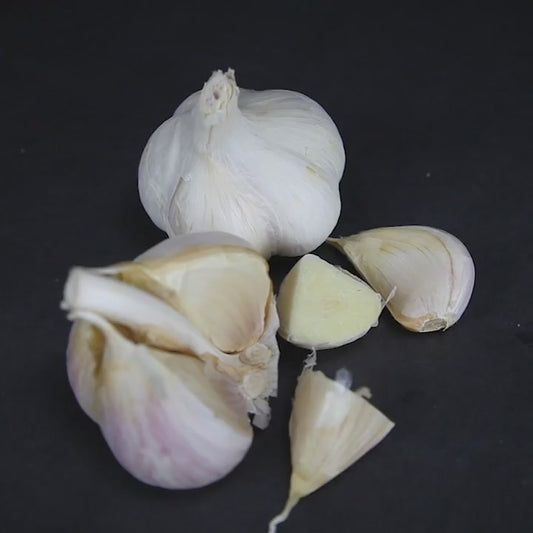
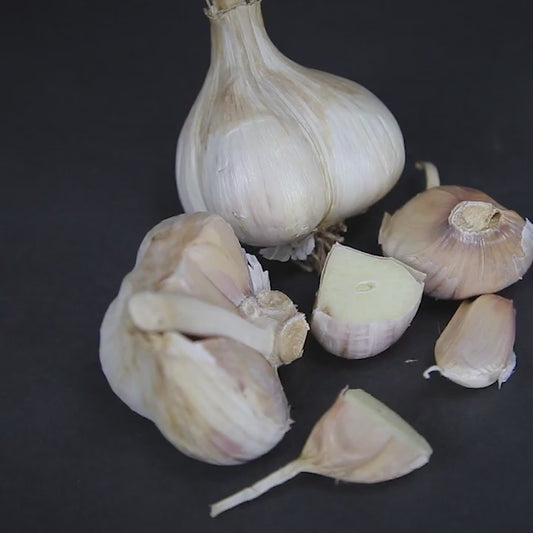
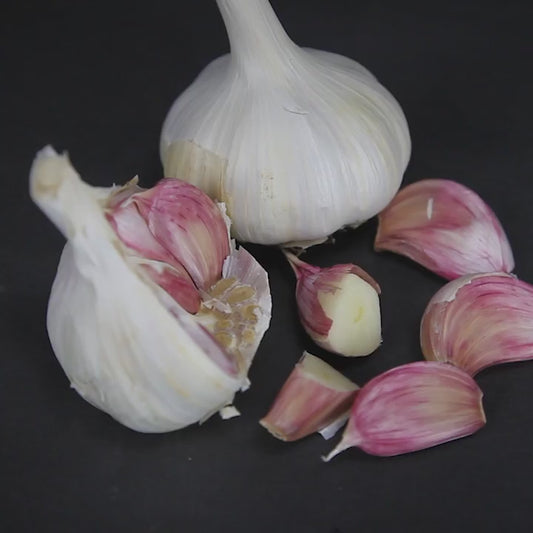
Screen the planting stock by type and climate fit. Hardneck and softneck are broad groups, not guarantees. Verify cultivar characteristics, cold adaptation, storage goals, and supplier information. The garlic climate guide helps with selection, while the garlic growing guide provides planting, care, and harvest technique. Plant only after confirming that the Washington bed and timing are ready.
Prepare only workable soil. Correct fertility from a representative test, crop need, amendment analysis, and label; do not add phosphorus, sulfur, lime, or compost by habit. Planting depth, spacing, mulch, and irrigation depend on the stock, soil, weather, and method. Keep mulch away from conditions that create excessive crown moisture or rodent shelter. Continue water until rain or measured demand replaces it; do not let an east-side date shut down establishment.
Use planting stock that can legally and safely ship to the destination. Recheck Washington agricultural restrictions and current supplier eligibility before purchase. Do not assume grocery bulbs have appropriate health status, cultivar identity, or regional fit.
Sequence cool-season crop groups by their job
Leafy greens
Fast greens can use a narrow window when the target is baby leaves, but full-size harvest requires more light and time. On the coast and in Puget Sound, protect airflow and scout slugs and foliar disease as rain increases. East of the Cascades, keep the seed zone moist and protect young plants from wind, then compare progress with frost. Do not overfeed a stalled crop whose limiting factor is light or temperature.
Brassicas
Established transplants can be more predictable than late direct seeding when soil is cooling, but they still need roots, water, and a realistic maturity margin. Inspect undersides and growing points for aphids or caterpillars, distinguish old injury from active feeding, and avoid protection that traps humidity. Rotation helps diversify plant-family occupancy, but it cannot guarantee disease or pest prevention.
Roots
Root crops need a workable seedbed and consistent establishment moisture. Compacted glacial soil, stones, crusting, or a dry loess surface can impair stand and root form. Choose the harvest stage before sowing. A fast small root may fit where a storage-size crop does not. Avoid thinning or cultivating saturated west-side soil.
Legumes and inoculation
Where a cool-season legume fits the local window and rotation, use the appropriate inoculant only when the crop, product, and handling conditions call for it. Inoculation does not replace suitable temperature, moisture, fertility balance, or time. A late planting that cannot establish should not be justified by a nitrogen claim.
Keep beds rooted without creating a calendar trap
Succession planting can extend productive root occupancy and diversify rotation, but every succession needs a release rule. Record the current crop’s likely finish, the next crop’s establishment requirement, and the condition that opens the bed. Interplanting may work when roots, light, airflow, and harvest access are compatible; crowding a declining summer crop can delay the fall crop and increase disease.
When the food-crop window is closing, a cover crop may still fit—or it may be too late as well. Retained residue or mulch can protect soil without pretending to be a living succession. The goal is continuous function: a crop, a viable cover, or monitored soil protection.
The fall garden guide supplies practical planting techniques. In Washington, check the Cascade divide again before applying it: western winter growth may be limited by light and wet soil, while eastern planting may be limited first by cold, wind, and water.
Use protection only when it changes the outcome
Row cover or a low tunnel may protect a small crop from wind, cold, or a named pest when correctly installed. It also changes light, heat, humidity, irrigation access, and pollinator movement. Anchor it for the site, vent when needed, inspect beneath it, and remove it when its costs exceed its benefit. No cover guarantees frost survival.
Before protecting a crop, compare remaining maturity with the forecast and the crop’s tolerance. Saving a healthy transplant through a brief event may be reasonable; repeatedly covering a heat-demanding crop with no realistic finish can consume labor and material while delaying the next use of the bed. Reuse durable protection and plan storage and end-of-life.
Manage the Washington fall risks
Heavy western rain can saturate garlic and seedlings, spread foliar disease, and erode a bare bed. Keep drainage routes open and avoid cultivating wet soil. Windstorms can dislodge covers and abrade plants. East-side wind can dry the seed zone; early freeze can halt establishment. Smoke or lingering heat can delay safe outdoor work and alter water demand. Follow current local guidance for air quality, fire, drought, and water restrictions.
Slugs, aphids, mites, rodents, and storage pests require identification and thresholds. Sanitation should remove confirmed problems without stripping every bed bare. Do not apply a pesticide without confirming the crop and pest on the current label, Washington registration, weather restrictions, and harvest interval. Organic materials are not automatically safe for beneficial organisms.
Choose collections after the crop matrix
Once a crop group and maturity target fit the subregion, compare All Vegetable Seeds by cold tolerance, days to the intended harvest stage, sowing method, disease traits, and local protection. For a drained, rotated bed with a viable establishment window, compare Seed Garlic by cultivar characteristics and destination eligibility.
Check current Online Store availability, shipping, and Washington restrictions immediately before purchase. Individual products are not mandatory, and a collection result is not proof of regional fit.
Keep a planting record
For each bed, record region and microclimate, crop and cultivar, intended harvest stage, sowing or transplant method, soil condition, root-zone moisture, frost or low-light constraint, protection plan, rotation, and the next readiness check. Track emergence, stand uniformity, growth, pest pressure, and whether protection improves the outcome.
The intended results are longer productive root occupancy, more diverse rotations, fewer failures from calendar-only planting, and better use of Washington’s limited fall windows. Those outcomes remain conditional. The best fall crop is the one that can establish, fit the bed and rotation, and reach its intended stage on that side of the Cascades.
Plan crops through Washington's seasons
Use the winter crop guide for low light and cold, the spring crop guide to time starts and transplants, and the summer crop guide for successions across the Cascade divide.
Gardeners near a regional boundary can compare Oregon fall crops, cold-climate garlic and cool crops, and Rockies fall successions. Use only advice that matches local soil, exposure, forecast, water, and crop response.