

Hardneck vs Softneck Garlic: Quick Answer
If you're comparing softneck vs hardneck garlic, the right choice depends on your climate, storage preferences, and desired garlic flavor. Also known as hard stem garlic, hardneck varieties are valued for their robust taste, larger cloves that are often considered easy to peel garlic, and their suitability for colder climates.
Plan your planting: Shop hardneck seed garlic or Shop softneck seed garlic for the varieties or crops discussed in this article.
Ready to choose a variety? Shop available seed garlic, including hardneck, softneck, elephant and certified organic options for fall planting.
Softneck garlic is known for producing more cloves per large bulb, storing longer, and growing well in warmer regions, making both types excellent options for home gardens. This guide to garlic softneck vs hardneck will help you decide which variety best fits your needs.
- Choose hardneck garlic if you want scapes, fewer but larger cloves, and rich flavor, especially in colder regions.
- Choose softneck garlic if you want many cloves per bulb, typically longer storage than hardneck types, and flexible stems for braids.

What This Guide Covers
Garlic is more than a kitchen staple—it’s a crop with history, flavor, and diversity. When you grow garlic at home, you open the door to flavors and textures you won’t find in a grocery store. One of the most important decisions for gardeners is choosing between hardneck vs softneck garlic.
The difference between hardneck and softneck garlic comes down to structure, flavor, storage, and climate preference. Hardneck garlic produces fewer large cloves with bold taste and curly flower stalks (called scapes). Softneck garlic, on the other hand, has many smaller cloves, keeps longer, and is often chosen for mild-winter climates.
This guide covers the types of garlic, their unique qualities, and tips on planting garlic, harvesting, and storage. If you’d like a customized garlic list for your garden, try our Garlic Resource Center and Garlic Selector Tool.
Hardneck vs Softneck Garlic:
At-a-Glance Comparison
| Feature | Hardneck Garlic | Softneck Garlic |
|---|---|---|
| Stalk / scapes | Produces a stiff central stalk and edible scapes. | Typically no scapes; stems stay flexible for braiding (climate can influence this). |
| Cloves per bulb | Fewer cloves, usually larger and often easier to peel. | More cloves, often smaller and layered. |
| Flavor | Bold, complex, “gourmet” style flavor. | Often milder, with great versatility for everyday cooking. |
| Storage life | Shorter storage life. | Typically stores longer than hardneck types when both are properly cured; actual duration varies by variety and conditions. |
| Best climate fit | Generally best for colder winters. | Generally best for milder winters and warmer regions. |
| Braiding | Not ideal—stalk dries stiff. | Excellent—flexible stems braid easily. |
Understanding the Difference Between Hardneck and Softneck Garlic
Hardneck Garlic (Allium sativum ssp. ophioscorodon)
Hardneck garlic forms a stiff central flower stem and grows well in colder climates. It produces fewer, but larger, cloves arranged neatly around the stalk. Varieties like Siberian Garlic and German Extra Hardy are prized for their bold, spicy flavor.
Hardneck types also send up edible flower stalks called scapes. These are tender and delicious when sautéed or grilled. Removing scapes can also help redirect energy into bulb sizing.
Softneck Garlic (Allium sativum ssp. sativum)
Softneck garlic has flexible stems, tightly packed cloves, and is the type most commonly braided or sold in stores. It excels in warmer climates and offers longer storage when properly cured.
Top choices include California Early White, California Late White, and Inchelium Red.
Note: Softneck garlic typically does not produce a scape, but growing conditions can sometimes cause a variety to form a flowering stalk. If you ever see a stalk forming, treat it like a scape and harvest it while tender.

Popular Garlic Varieties
Hardneck Garlic Varieties
Hardneck garlic is often grouped into types such as Purple Stripe, Rocambole, and Porcelain. Here are a few favorites:
- Chesnok Red – A purple stripe variety known for sweet, rich flavor when roasted.
- German Extra Hardy – Porcelain type with robust flavor and big cloves.
- Purple Stripe garlics – Vibrant skins, complex flavor, excellent for roasting.
- Purple Glazer – Mild, smooth taste, easy to peel.
Browse all hardneck seed garlic.
Softneck Garlic Varieties
Softneck garlic includes types such as Artichoke and Silverskin, often chosen for high yields and long storage. Popular picks include:
- California Early White – Mild, early harvest, great for braiding.
- California Late White – Often selected for warmer climates, with storage life that depends on curing and conditions.
- Organic Purple Italian – Full flavor, perfect for roasting.
- Inchelium Red – A favorite softneck with mild, nutty flavor.
Shop all softneck seed garlic.
What About Elephant Garlic (and “Russian Garlic”)?
Elephant garlic isn’t true garlic—it’s a leek relative. Its giant bulbs are mild and slightly onion-like, making them fun for roasting whole.
Some gardeners (and older references) use “Russian garlic” to mean Elephant garlic. If you see the term used that way, just know it’s not the same as true hardneck or softneck garlic.
Growing Garlic: Planting to Harvest

Planting Garlic
Garlic is usually planted in the fall. In warmer climates, some softneck varieties can also be planted in early spring. Follow these steps for strong, uniform bulbs:
- Loosen soil 8–10 inches deep and enrich with compost.
- Separate the garlic head into individual cloves, keeping papery skins intact.
- Plant cloves 2 inches deep, root side down, spacing them 4–6 inches apart.
- Mulch with straw or leaves for insulation and weed control.
For more details, see our Garlic Growing Guide, How to Grow Garlic, and 9 Steps for Big Garlic.
Garlic Care
- Water regularly but avoid soggy soil.
- Use soaker hoses to water deeply at the roots.
- Remove scapes from hardneck types to send energy back to the garlic bulb.
- Weed often and keep mulch in place.

For seasonal care, see how to care for garlic over the winter.
Harvesting Garlic
Knowing when to harvest is key:
- Hardneck garlic: Harvest when about half the leaves are brown.
- Softneck garlic: Harvest when bottom leaves are brown but upper leaves are still green.
Use a fork to gently lift each garlic bulb. Avoid tugging, which can damage the bulb wrappers. See our harvesting garlic guide.
Storing Garlic
After harvest, cure garlic for 2–3 weeks in a dry, shaded, well-ventilated area. Trim roots and stalks after curing.
- Store cured bulbs in a dry, dark, well-ventilated place; recommended temperature and humidity depend on the intended storage period and local conditions.
- Use mesh tubing or paper bags for airflow.
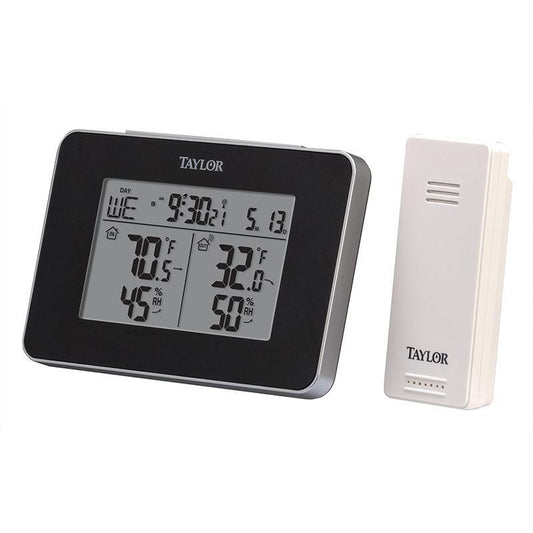
- For accuracy, monitor conditions with a thermometer/hygrometer.
Key Takeaways: Hardneck Garlic vs Softneck Garlic
The difference between softneck and hardneck garlic is more than just appearance—it’s about flavor, storage, and climate. Hardneck garlic is perfect for bold flavors and cold regions, while softneck garlic is best for long storage and warmer gardens.
By understanding hardneck vs softneck, you can choose the right garlic for your kitchen and climate. Whether you want scapes, easy-to-peel large cloves, or long shelf life, there’s a variety to fit your needs.
Explore the many types of garlic, plant healthy cloves a few inches deep, and enjoy your own flavorful harvest season after season.
Recommended next step: When you are ready to plant, Shop hardneck seed garlic or Shop softneck seed garlic.
FAQs: Hardneck Garlic vs. Softneck Garlic
Which garlic stores longer, hardneck or softneck?
Do softneck garlic have scapes?
Which garlic is best for cold climates?
What are the main types of hardneck garlic?
Related Garlic Type & Selection Resources
Use this pillar to compare hardneck and softneck structure, climate fit, scapes, and storage tendencies.







28 comments
Rob, I would not recommend growing in a basement. Garlic needs full sun and ample room for the roots and bulb to develop.
Can you grow garlic in your basement in flats?
Lynn and Don, for hardneck garlic you can trim off most of the stem. I would leave about 1/2". Just don’t want to trim it so close that you are cutting into the tops of the garlic cloves.
How much of the “hard neck” of hardneck garlic should one remove before storing?
In order to store hardneck garlic, how much of the “hard neck” should one remove?