Oregon fall preparation begins when the garden’s evidence says a crop, bed, perennial, or water zone is changing—not on one statewide date. Harvest what can finish, remove declining plants selectively, protect exposed soil, prepare the next crop only when it still has a realistic establishment window, and keep perennial roots stable through heat, wind, smoke, or an early cold turn. The coast, western valleys, Cascades, and high desert require different readiness decisions.
Use the Oregon summer soil-and-water plan to coordinate harvest and perennial care with the rest of the garden. Check the succession-crop guide to decide what still has time to mature, the drip-irrigation guide before changing water zones, and the summer IPM guide before removing a crop for suspected pests or disease.
Read the transition before starting fall work
Begin with five observations: harvest progress, remaining crop maturity, root-zone moisture, local frost trajectory, and the next bed-opening window. Add the forecast for heat, smoke, wind, or storms. A finished pea bed on the coast may still support a cool-season succession; a high-desert tomato bed with a short frost countdown may be better harvested and protected. A Willamette Valley bed can be summer-dry now yet need its structure and drainage protected before prolonged rain.
Decide separately for every bed. Continue production when the crop is healthy, water is available, and maturity is realistic. Turn over when disease, pests, declining quality, or a better next use outweigh the remaining harvest. Rest the bed under mulch or residue when establishment water, labor, or a suitable planting window is lacking. Prepare a cover crop only when species, soil temperature, moisture, sowing opportunity, and a feasible termination plan align.
Do not force soil work because the calendar says “fall prep.” If soil smears, compacts, powders, or breaks into hard clods, postpone cultivation and choose a surface-protection step. Do not add lime, sulfur, compost, or fertilizer without a soil test, crop need, bed history, and product directions that justify it.
Harvest, stabilization, and preparation checklist
- Inventory the crop. Mark what is producing, what may mature under the local forecast, what is declining, and what is diseased or heavily infested.
- Harvest and handle promptly. Pick at the appropriate crop stage, cool or cure crops according to crop-specific guidance, and exclude damaged produce when food-safety advice calls for it.
- Choose retain, remove, or rest. Keep productive plants, remove confirmed reservoirs or spent crops, and avoid clearing a bed simply for appearance.
- Separate residues. Reuse healthy material where appropriate; route diseased, seedy, or regulated material according to local and crop-specific guidance.
- Protect the soil. Use existing roots, a manageable cover crop, surface residue, or mulch matched to moisture, pests, fire risk, and the next crop.
- Prepare the next planting. Check maturity, establishment temperature, irrigation, frost outlook, rotation, and bed availability before sowing or transplanting.
- Inspect perennials. Check root-zone moisture, mulch placement, trunk or crown condition, supports, fruit load, broken wood, and confirmed disease.
- Service infrastructure. Repair trellises, anchors, filters, leaks, tools, and storage before storms or freezes make the job harder.
- Transition irrigation by zone. Shut off unused outlets, keep establishing plants and perennials supported, and reduce water only from measured demand.
- Record the next trigger. Note bed status, unresolved diagnoses, planned crop or cover, irrigation change, and the weather condition that will prompt the next action.
Perennial readiness decision table
| Proposed action | Go when | Pause when | Safer next step |
|---|---|---|---|
| Hard pruning | The species, training system, health issue, and regional timing support it | Heat, drought, smoke, active stress, uncertain diagnosis, or poor cold-acclimation window raises risk | Remove only broken or clearly hazardous material; flag structural cuts for the appropriate season |
| Remove damaged foliage | Tissue is confirmed diseased, dead, or interfering with sanitation | Leaves retain green tissue, shade the plant, or injury is still declaring itself after heat | Monitor and photograph; avoid cosmetic stripping |
| Add mulch | Soil moisture, crown clearance, rodent pressure, and fire conditions allow it | Soil is saturated, trunks or crowns would be buried, or dense cover creates a pest or fire concern | Adjust depth and placement; use a different soil-cover strategy |
| Change irrigation | Root-zone checks and crop stage show a real change in demand | A timer setting is the only evidence, or disease and drought symptoms are not distinguished | Audit output and moisture before changing the zone |
| Plant a perennial | The plant is suitable by cultivar, hardiness, chill needs, site, dormancy, shipping window, and establishment conditions | Heat, frozen or unworkable soil, short establishment time, or uncertain regional fit creates avoidable risk | Reserve or plan for the appropriate dormant or spring window |
| Repair supports | Work can be done safely without damaging loaded plants or roots | Lightning, smoke, high wind, unstable ladders, or heavy fruit makes work unsafe | Temporarily stabilize from the ground and return in safe conditions |
Make the turnover regional
Oregon coast
Cool weather can extend some crops while fog, wind, and leaf wetness increase disease pressure. Keep a productive crop only if airflow, health, and light remain acceptable. Start cool-season successions from actual soil temperature and establishment conditions, not from inland advice. Protect soil from winter erosion and saturation, but avoid dense residue that worsens slug, rodent, or crown problems. Secure trellises and covers for coastal wind.
Willamette and western valleys
Use the dry summer window to repair supports and infiltration problems before persistent rain, while avoiding unnecessary disturbance. Maintain irrigation for active crops and perennials until observed demand changes. When a bed opens, choose a fall crop, a cover, or protected rest according to moisture and the establishment window. Plan garlic ground with rotation, drainage, and soil-test evidence, then use crop-specific guidance for planting depth, spacing, and timing.
Cascade and high-elevation sites
Frost can narrow the decision quickly. Compare remaining maturity with a local forecast and the site’s cold-air drainage. Harvest vulnerable crops, secure season extension, and protect roots before a cold event, but do not guarantee that a cover will save a crop. A cover crop that cannot establish or be terminated should not displace a protective mulch or residue plan. Drain and protect irrigation components according to local freeze exposure and system instructions.
Central and eastern high desert
Short seasons, wind, low humidity, limited water, cold nights, and possible salinity favor a concentrated plan. Complete viable harvests, keep perennial roots evenly supported, and stop watering abandoned outlets. Use wind-resistant soil cover with a realistic water budget. Prepare garlic or other fall plantings only where cultivar, soil, irrigation, and frost conditions fit. Young perennials may be better scheduled for a verified regional planting window than installed under late heat or approaching cold.
Turn over annual beds without leaving soil unprotected
Remove annual crops in an order that protects soil and prevents problems from spreading. Harvest first; identify suspicious damage; then cut or pull based on the next crop, root health, and disease guidance. Leaving suitable roots in place can reduce disturbance, but a confirmed soilborne problem may require a different sanitation or rotation decision. Avoid turning diseased residues into mulch unless an authoritative crop-specific source supports the practice.
Choose postharvest cover from function. Mulch can buffer surface temperature and reduce evaporation. A living cover can protect against erosion and contribute roots, but it requires establishment water and a termination plan. Residue can be the lowest-input option if it is healthy and will not create a pest, disease, or fire hazard. Use the Oregon summer soil decision table to match mulch, living cover, residue, or protected rest to the bed.
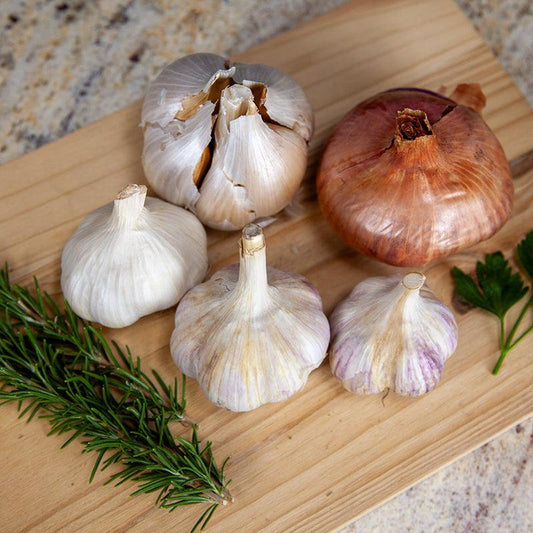
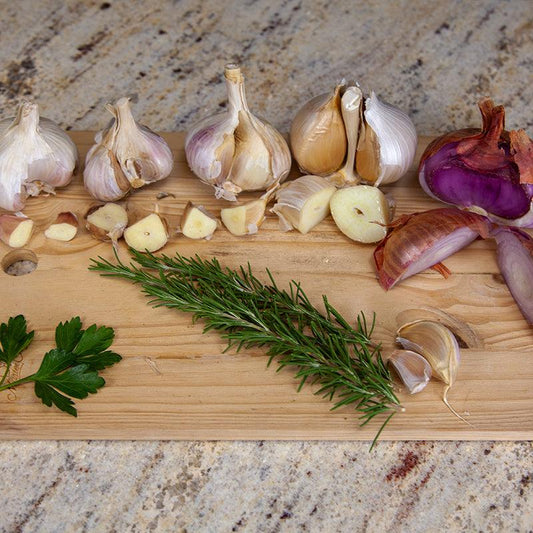
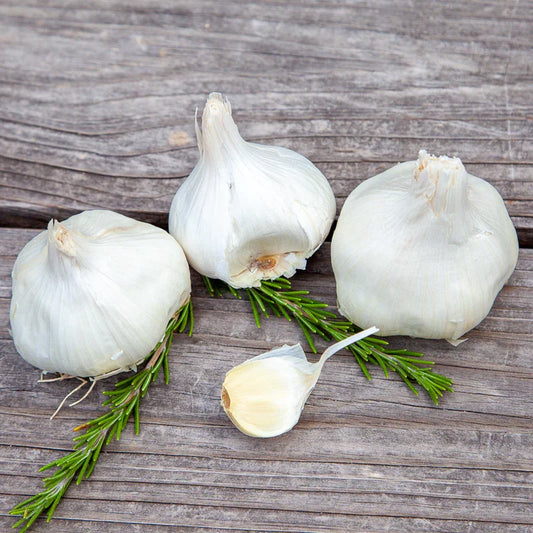
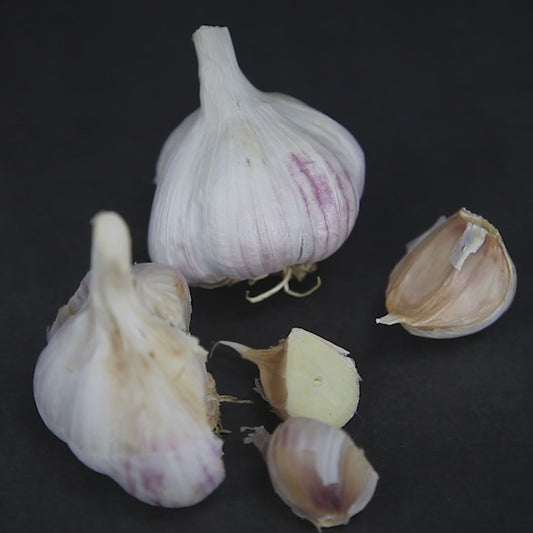
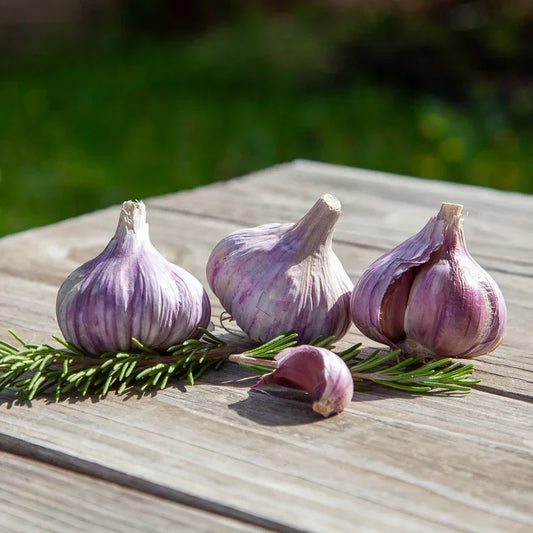
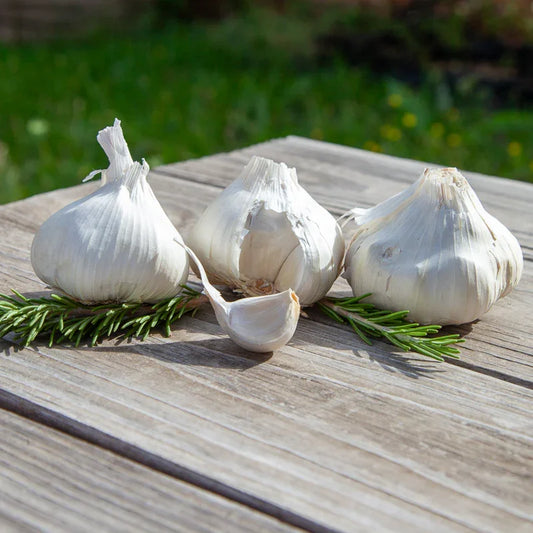
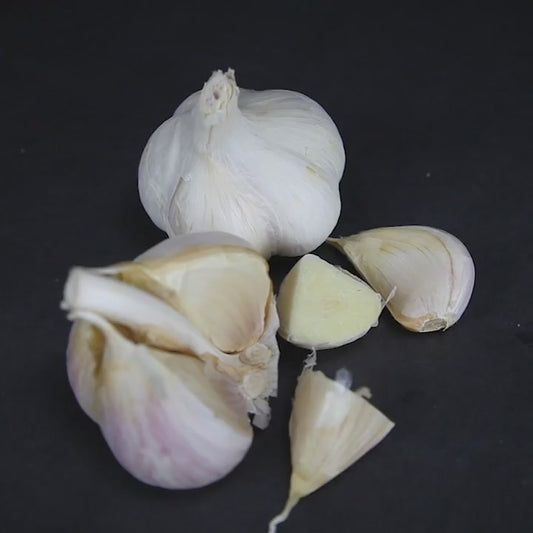
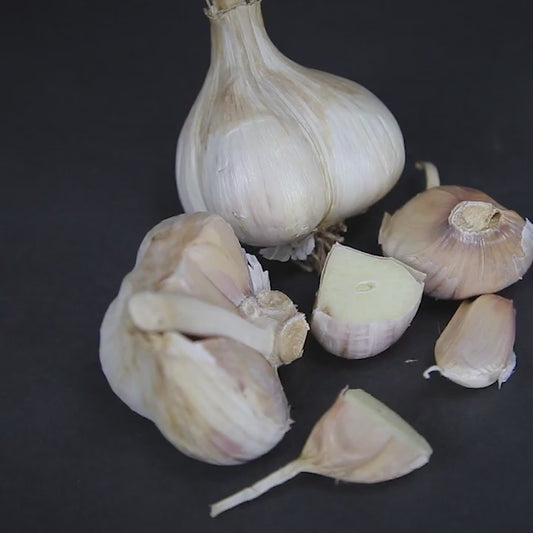
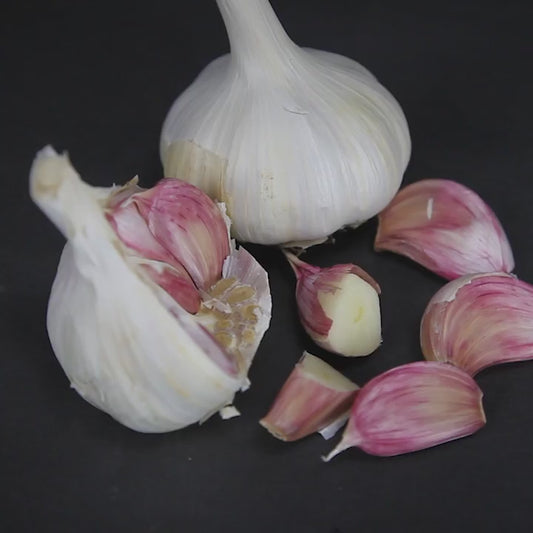
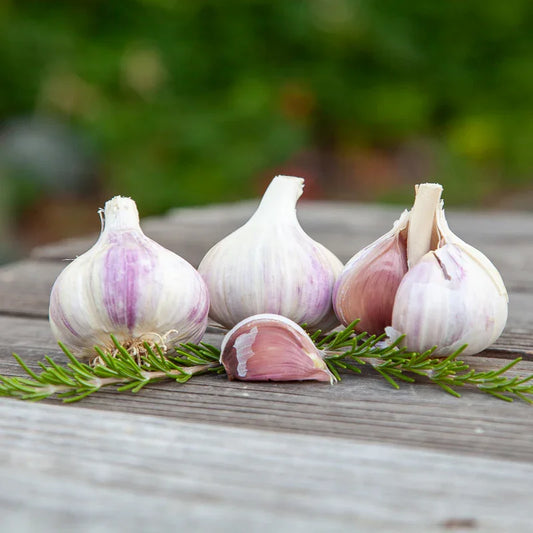
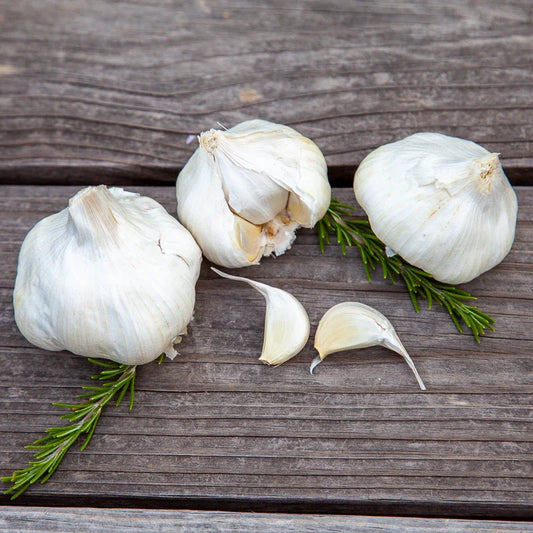
For garlic, map the rotation, drainage, weed pressure, and soil-test needs before obtaining planting stock. Verify variety suitability and shipping restrictions by destination. Do not treat a hardiness zone as a planting calendar: it describes average extreme minimum temperature, not soil workability, frost timing, or establishment success.
Protect perennials without provoking new stress
Maintain appropriate moisture in the active root zone of fruit trees, berries, vines, and other perennials. Keep mulch away from trunks and crowns, observe for rodents, and adjust the wetting pattern as roots expand. Do not shut a perennial zone down merely because annual beds are finished. Conversely, do not keep winter-wet western soil saturated after demand falls.
Limit summer pruning to a defined purpose supported for the species and training system. Broken, hazardous, or clearly diseased wood may require prompt work; major structural pruning often belongs in another window. After heat injury, foliage with green tissue can still shade and support the plant, so wait for damage to declare itself before making large cuts. The fruit-tree pruning guide covers cuts and training systems. For receiving, planting, and first-year care, use the bare-root tree guide and verify each cultivar’s hardiness, chill requirement, dormancy, and destination fit.
Repair and reuse infrastructure before weather closes the window
Check stakes, trellis wire, clips, shade structures, row-cover hoops, tool handles, hose connections, filters, and storage. Repair durable components and retire damaged material that cannot be used safely. Clean cutting tools appropriately and keep blades suitable for the job. The irrigation maintenance guide provides system detail.
Shade and season-extension materials have tradeoffs: they can moderate exposure, yet they also require secure anchoring, ventilation, pollinator access, reuse, and end-of-life planning. Remove or reconfigure them when they trap humidity, become wind hazards, or no longer serve the crop. Follow air-quality and fire guidance before outdoor work during smoke or wildfire conditions.
Choose supplies after the readiness check
When the inspection identifies a real need, start with Plant Support for repairable, crop-appropriate stabilization. Compare Sun Shade Cloths only when exposure, ventilation, anchoring, and reuse make shade the right response. Use Pruning & Cutting Tools for a specific, justified cut—not as a reason to prune. Recheck live availability, suitability, instructions, and regional eligibility before purchase.
A successful turnover leaves fewer loose ends: harvested crops handled, questionable symptoms identified, soil covered, perennials stable, water zones intentional, and infrastructure ready for the next weather event. It improves the probability of perennial survival and reduces waste; it does not guarantee frost protection, pest control, or harvest.
Care for beds and perennials through Oregon's seasons
Use the fall orchard guide to prepare plants and infrastructure, the winter orchard guide for dormant and bare-root work, and the spring perennial guide for establishment and new growth.
Gardeners near a regional boundary can compare Washington harvest and fall preparation, cold-summer turnover and soil cover, and Interior West turnover and freeze preparation. Use only practices that match local soil, exposure, forecast, water, and crop response.