
Collection: Year Round Cover Crops
Plant some perennial cover crop seeds!

-

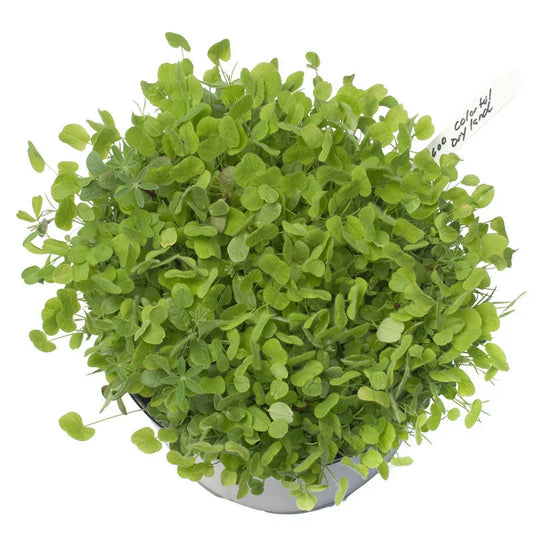
Peaceful Valley Regional Western Colorful Dryland Wildflower Mix (lb)
Regular price $20.99Sale $20.99Unit price per -


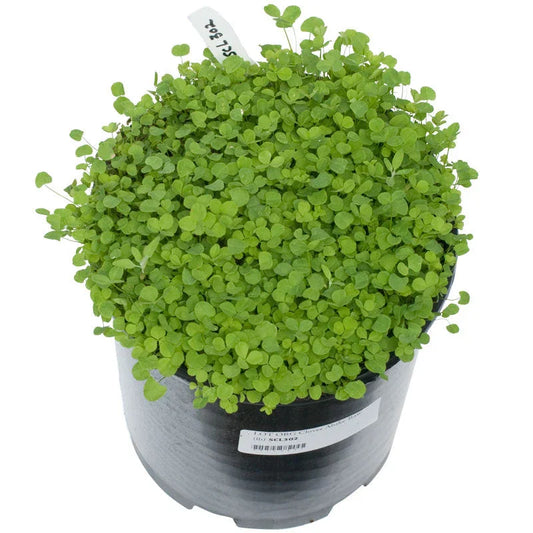
Organic Alsike Clover - Raw Seed (lb)
Regular price $10.99Sale $10.99Unit price per -

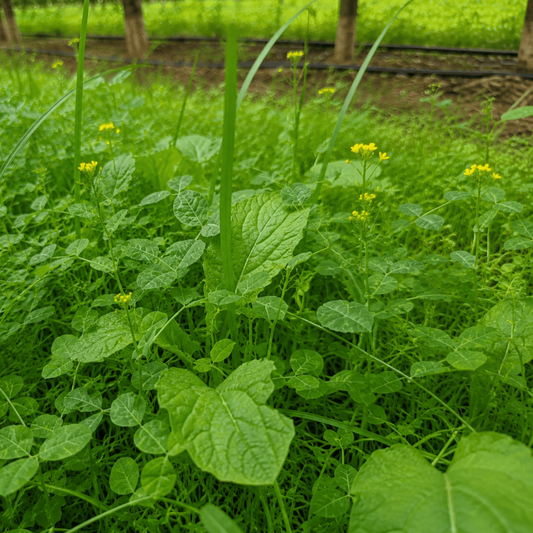
Peaceful Valley Orchard Cover Crop Mix (lb)
Regular price $4.99Sale $4.99Unit price per -
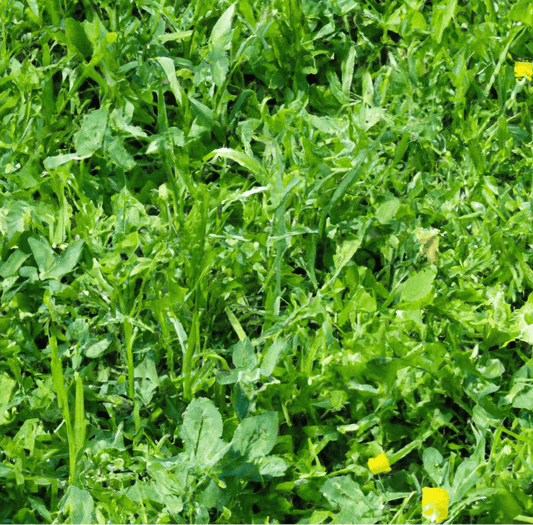
Peaceful Valley Dairy Pasture Mix (lb)
Regular price $6.30Sale $6.30Unit price per -
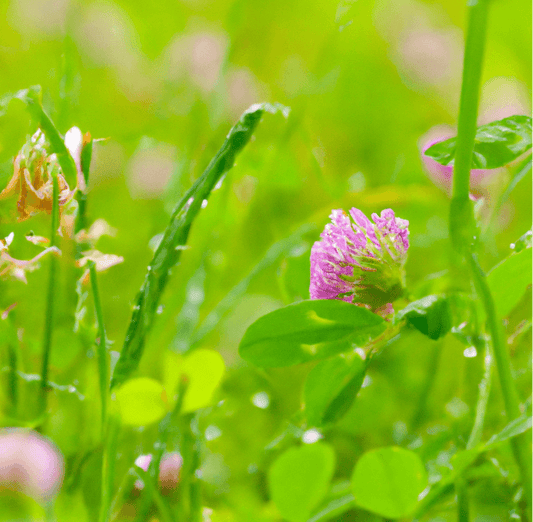
Peaceful Valley Low Profile Habitat Blend Mix (lb)
Regular price $22.99Sale $22.99Unit price per -
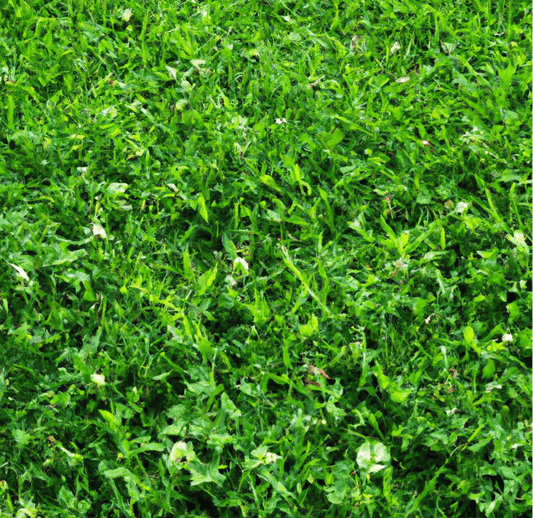
Peaceful Valley General Purpose Pasture Mix (lb)
Regular price $2.99Sale $2.99Unit price per -

Peaceful Valley Bee Friendly Pollinator Mix (lb)
Regular price $28.99Sale $28.99Unit price per -
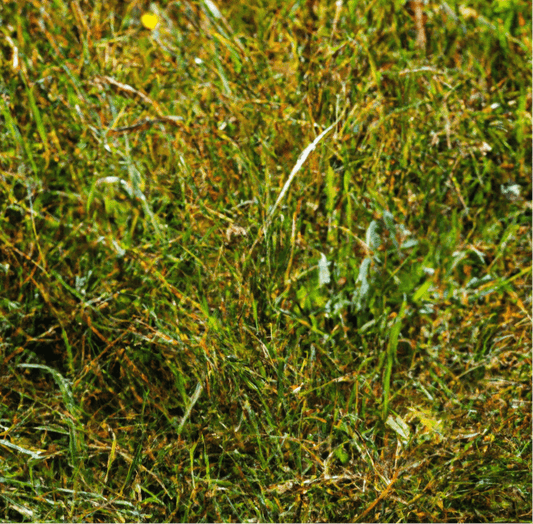
Peaceful Valley Dryland Horse Pasture Mix (lb)
Regular price $5.45Sale $5.45Unit price per -

Peaceful Valley Wildflowers Erosion Mix (lb)
Regular price $7.50Sale $7.50Unit price per -

Peaceful Valley Farm Erosion Mix (lb)
Regular price $3.60Sale $3.60Unit price per -

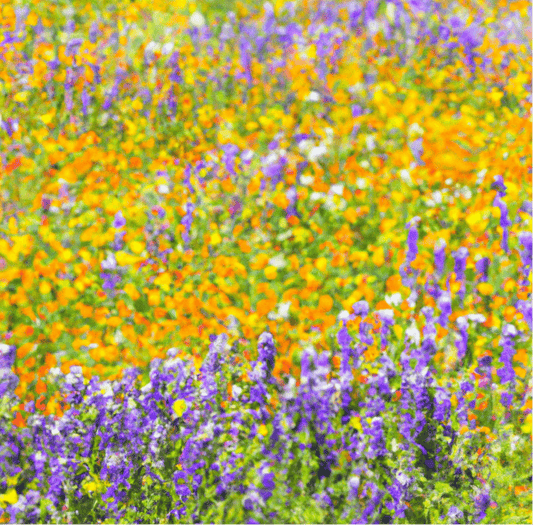
Peaceful Valley Almond Pollinator Mix (lb)
Regular price $26.99Sale $26.99Unit price per -

Peaceful Valley Thoroughbred Pasture Mix (lb)
Regular price $5.99Sale $5.99Unit price per -
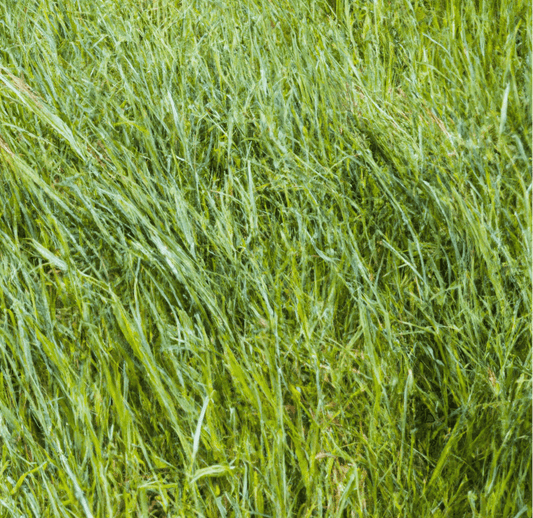
Peaceful Valley Dryland Grass Hay Mix (lb)
Regular price $1.99Sale $1.99Unit price per -

Peaceful Valley Tree and Vine Cover Crop Mix (lb)
Regular price $6.99Sale $6.99Unit price per -
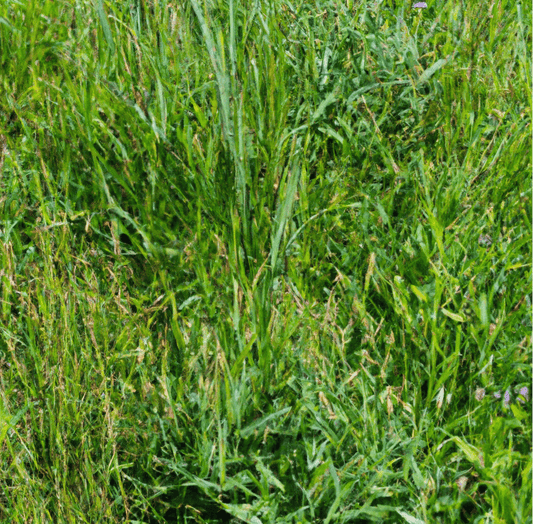
Peaceful Valley Bloat Resistant Farm Pasture Mix (lb)
Regular price $6.30Sale $6.30Unit price per -
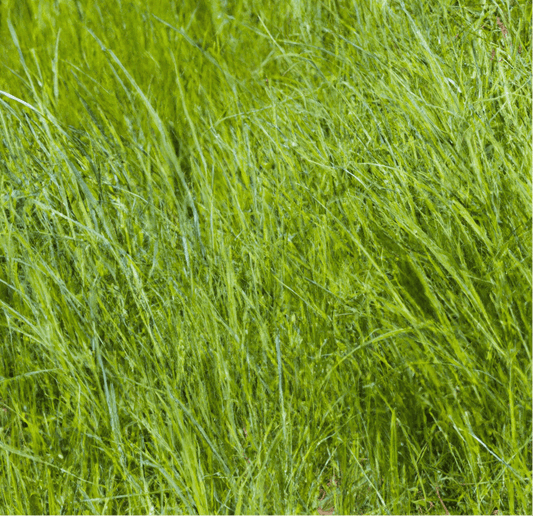
Peaceful Valley Grass Hay Mix (lb)
Regular price $5.50Sale $5.50Unit price per -
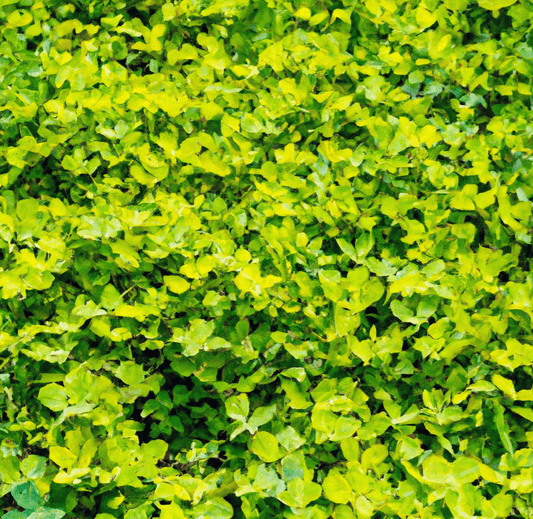
Peaceful Valley Low Rainfall Farm Reseeding Mix (lb)
Regular price $6.30Sale $6.30Unit price per -

Peaceful Valley Companions Grass Cover Crop Mix (lb)
Regular price $5.99Sale $5.99Unit price per -
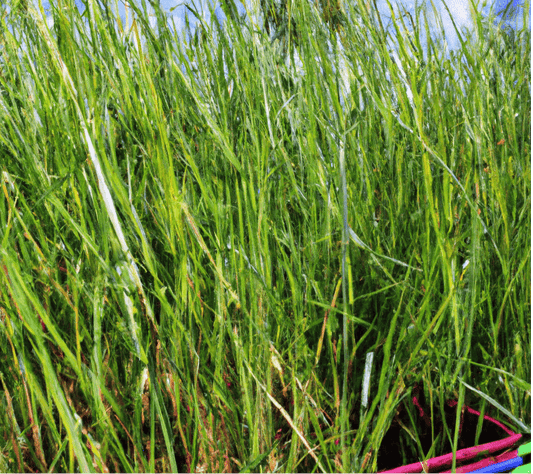
Peaceful Valley Premium Hay Mix (lb)
Regular price $3.20Sale $3.20Unit price per -

Peaceful Valley California Medic Reseeding Mix - Nitrocoated Seed (lb)
Regular price $6.10Sale $6.10Unit price per -
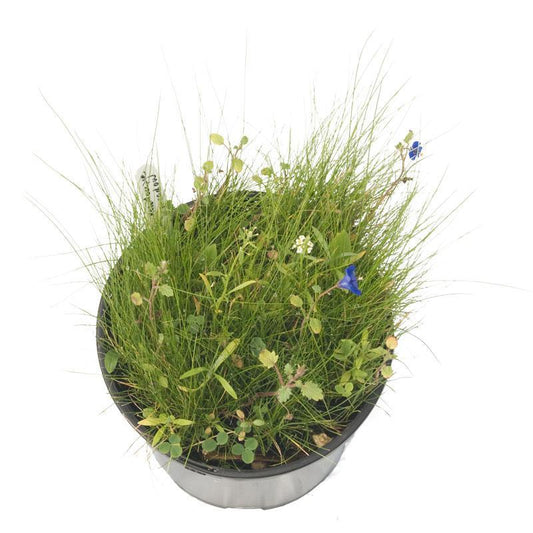
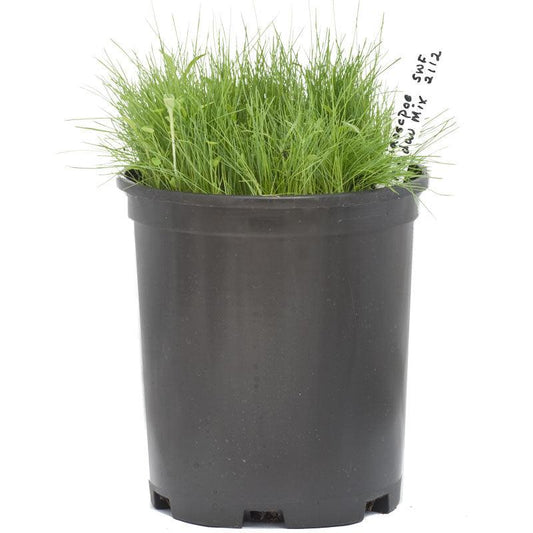 Sold out
Peaceful Valley Kaleidoscope Meadow Mix - Seed (lb)
Regular price $9.99Sale $9.99Unit price per -

 Sold out
 -
 Sold out
Peaceful Valley High Rainfall Reseeding Mix (lb)
Regular price $6.30Sale $6.30Unit price per


Collection: Grow better soil from the ground up
Year-round cover crops are selected for persistent, perennial, biennial, or reseeding stands rather than a short interval between annual crops. They can provide managed vegetation in orchards, vineyards, farm lanes, paths, pasture areas, erosion-prone sites, and other places where longer-term soil cover is useful.
What “Year Round” Means
“Year round” describes the intended role of the planting, not a promise that every species stays green through every season or can be planted in any month. Growth, dormancy, winter survival, and summer persistence depend on climate, rainfall or irrigation, soil, mowing or grazing, and the species selected.
Choose by Site and Management
- Orchards and vineyards: Compare height, mowing tolerance, water competition, traffic, and compatibility with perennial crops.
- Paths and farm lanes: Consider persistence, traffic tolerance, mature height, and erosion protection.
- Pasture and forage: Select species and mixes according to livestock, irrigation, grazing management, and local growing conditions.
- Naturalized or reseeding areas: Review establishment, bloom, reseeding behavior, and long-term maintenance.
Individual Species or Mixes
Individual clovers, grasses, alfalfa, and other species allow targeted selection. Year Round Cover Crop Mixes combine species for broader or more specialized performance. For clover-focused choices, browse Perennial Clover Seed.
Legumes and Inoculation
Clovers, alfalfa, and other legumes can fix atmospheric nitrogen when compatible rhizobia are present and the crop establishes successfully. Review whether the seed is raw or Nitrocoated. Raw legumes may require a compatible seed inoculant; Nitrocoated seed already includes an inoculant coating.
Before planting, plan establishment, irrigation, mowing, grazing, reseeding, and eventual renovation or termination. For temporary cool-season cover, visit Fall Planted Cover Crops; for summer rotations, visit Warm Weather Cover Crops. Return to the Cover Crop Seeds hub for the full selection framework.