
Collection: Green Manure
Improve your soil with green manure cover crop seeds

-
Semi-Dormant Alfalfa - Nitrocoated Seed (lb)
Regular price $10.99Sale $10.99Unit price per -
Berseem Clover - Nitrocoated Seed (lb)
Regular price $9.99Sale $9.99Unit price per -
Organic Purple Vetch - Raw Seed (lb)
Regular price $5.99Sale $5.99Unit price per -
Red Clover - Nitrocoated Seed (lb)
Regular price $9.99Sale $9.99Unit price per -
Persian Clover - Nitrocoated Seed (lb)
Regular price $9.99Sale $9.99Unit price per -
Hykon Rose Clover - Nitrocoated Seed (lb)
Regular price $8.99Sale $8.99Unit price per -
Organic Triticale Seed (lb)
Regular price $4.99Sale $4.99Unit price per -
O'Conners Strawberry Clover - Nitrocoated Seed (lb)
Regular price $10.99Sale $10.99Unit price per -
Triticale Seed (lb)
Regular price $4.99Sale $4.99Unit price per -
Organic White Oats Seed (lb)
Regular price $4.99Sale $4.99Unit price per -
Organic Flax Seed (lb)
Regular price $5.99Sale $5.99Unit price per -
Organic Alsike Clover - Raw Seed (lb)
Regular price $10.99Sale $10.99Unit price per -
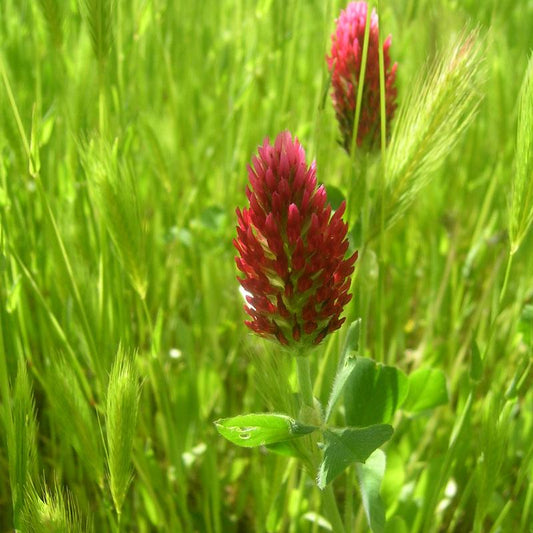
Organic Crimson Clover - Raw Seed (lb)
Regular price $9.99Sale $9.99Unit price per -
Organic 4010 Peas - Raw Seed (lb)
Regular price $4.99Sale $4.99Unit price per -
New
Peaceful Valley Summer Soil & Wildlife Mix - Raw Seed (lb)
Regular price $6.99Sale $6.99Unit price per -
New
Peaceful Valley Warm Season Early Maturing Mix - Raw Seed (lb)
Regular price $4.99Sale $4.99Unit price per -
New
Peaceful Valley Warm Season Biomass Mix - Raw Seed (lb)
Regular price $6.99Sale $6.99Unit price per -
 Sold out
 -
Organic Beardless Barley Seed (lb)
Regular price $4.99Sale $4.99Unit price per -
-
-
Organic Bell Beans - Raw Seed (lb)
Regular price $1.50Sale $1.50Unit price per








Collection: Feed the Soil That Feeds Your Garden
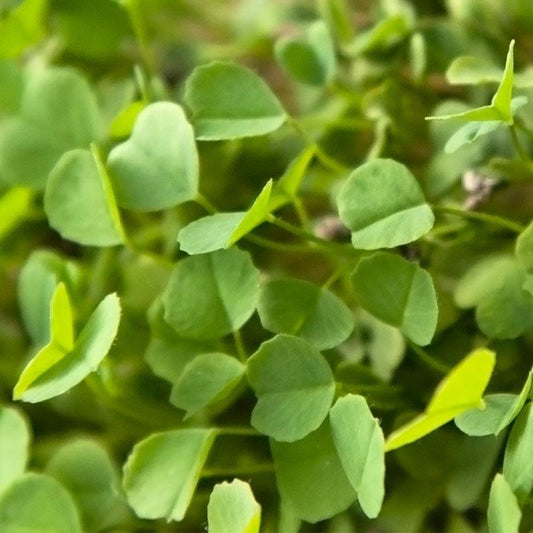
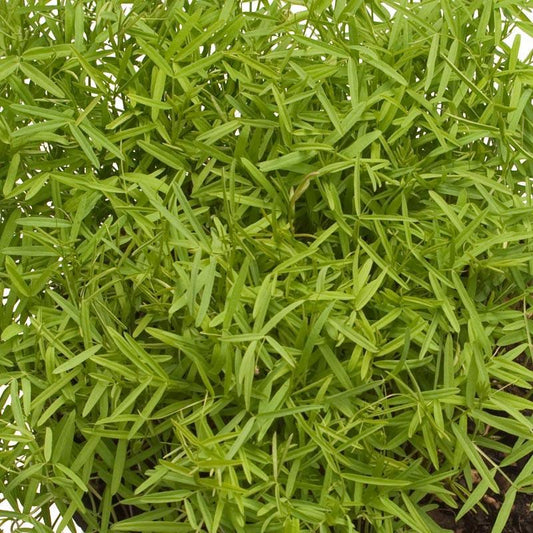
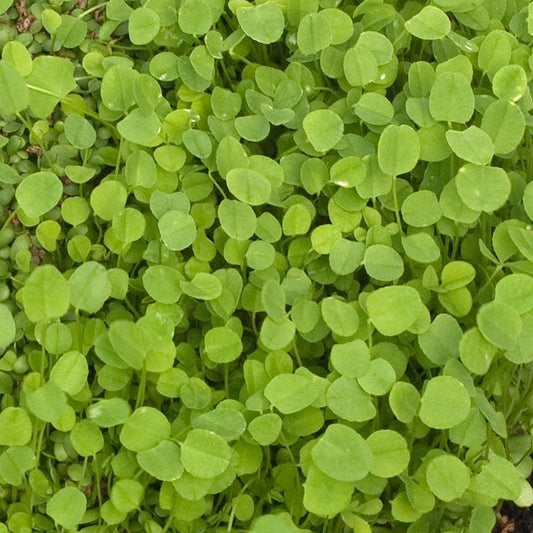
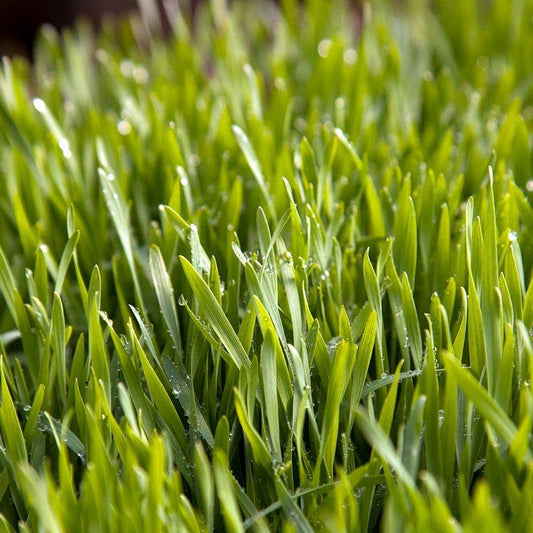
Green manure is a management use for cover crops: the crop is grown specifically to produce roots and plant material that will be returned to the soil or left as residue before the next planting. Green manure crops may be legumes, grasses, grains, broadleaf species, or mixes selected for the available season and soil-building goal.
Choose Green Manure by Function
- Biomass and organic matter: Grasses, grains, vigorous broadleaf crops, and diverse mixes can produce substantial residue when given adequate time and moisture.
- Nitrogen contribution: Legumes such as vetch, peas, beans, and clovers can fix atmospheric nitrogen when compatible rhizobia are present and the crop establishes successfully.
- Nutrient capture: Non-legumes can take up nutrients that might otherwise move below the root zone or leave the field.
- Soil cover: A successfully established stand protects the soil surface before termination.
Green Manure Is More Than Plowing Under
Green manure crops can be incorporated, but tillage is not the only option. Depending on the system, the stand may be mowed, cut, grazed, rolled, winter-killed, or left as surface residue. Choose the crop and termination method together so the residue can be managed before the next crop is planted.
Timing and Maturity Matter
Young plant material generally breaks down more quickly, while mature grasses and high-biomass stands contain more fibrous residue. Flowering and seed set affect both nutrient content and the risk of volunteers. Allow enough time between termination and planting the next crop, particularly when managing heavy residue.
Legumes and Inoculants
Raw legume seed may require a compatible seed inoculant. Nitrocoated seed already includes an inoculant coating. Review each product page for crop compatibility, seeding rate, planting window, and termination guidance.
Compare additional Soil Building Cover Crops, watch our green manure video, or return to all Cover Crop Seeds.